
Beautiful coffee makers elevate the daily ritual, blending functionality with aesthetic appeal; a clear instruction manual is crucial for unlocking their full potential and ensuring longevity․
Understanding the nuances of operation, cleaning, and maintenance—detailed within the manual—protects your investment and guarantees consistently delicious results․
What Makes a Coffee Maker “Beautiful”?
Beauty in a coffee maker transcends mere aesthetics; it’s a harmonious blend of form and function․ A truly beautiful machine invites interaction, becoming a centerpiece in the kitchen․ However, visual appeal is only part of the equation․
A well-crafted instruction manual significantly contributes to this perceived beauty․ It demonstrates the manufacturer’s commitment to the user experience, fostering confidence and ease of use․ Clear, concise instructions eliminate frustration, allowing owners to fully appreciate the machine’s capabilities․
Furthermore, a comprehensive manual signals quality and durability, enhancing the overall value proposition․ It transforms a simple appliance into a cherished tool, elevating the daily coffee ritual․

The Importance of a Good Instruction Manual
A superior instruction manual is paramount for maximizing the enjoyment of a beautiful coffee maker․ It’s not merely a guide, but a key to unlocking the machine’s full potential and preventing costly errors․ Detailed diagrams and step-by-step instructions ensure proper setup, brewing, and cleaning․
Without a clear manual, users may struggle with features, leading to inconsistent results or even damage․ A well-written manual also covers troubleshooting, empowering owners to resolve minor issues independently․
Ultimately, a comprehensive manual fosters confidence, extends the machine’s lifespan, and elevates the entire coffee-making experience․

Types of Beautiful Coffee Makers
Diverse coffee makers—from filter machines to espresso setups—each demand specific operational knowledge; the instruction manual is vital for mastering each unique brewing process․
Filter Coffee Machines: Classic Elegance
Filter coffee machines, renowned for their simplicity and consistent brewing, require a thorough understanding of their components, as detailed in the instruction manual․ Proper water reservoir filling, filter placement, and coffee ground measurement are crucial for optimal flavor extraction․
The manual will guide you through cleaning cycles, preventing mineral buildup, and ensuring longevity․ Understanding the automatic timer functions, if present, enhances convenience․ Following the manual’s guidance on carafe handling prevents breakage and ensures safe operation․ Regular reference to the manual unlocks the full potential of this classic brewing method․
Manual (Assisted) Espresso Machines: Artisan Appeal
Manual espresso machines demand a deeper understanding of the brewing process, making the instruction manual indispensable․ It details proper tamping pressure, grind size, and water temperature—critical for achieving a perfect extraction․ The manual guides users through the pre-infusion stage and pressure control techniques․
Understanding the machine’s components, like the portafilter and steam wand, is vital․ Cleaning procedures, especially backflushing, are thoroughly explained․ The manual clarifies safety precautions regarding hot surfaces and steam․ Mastering these techniques, guided by the manual, unlocks the art of espresso creation․
Bean-to-Cup Machines: Modern Sophistication
Bean-to-cup machines, while automated, benefit greatly from a detailed instruction manual․ It explains the bean hopper capacity, grind settings, and brewing unit maintenance; The manual guides users through customizing coffee strength, volume, and temperature․ Understanding the descaling process is crucial for longevity, and the manual provides step-by-step instructions․
Troubleshooting common issues, like grinder jams or error messages, is clearly outlined․ The manual details cleaning procedures for the milk frother and drip tray․ Proper usage, as described, ensures optimal performance and preserves the machine’s sophisticated features․
Capsule Coffee Machines: Sleek Minimalism
Capsule coffee machines, known for their simplicity, still require a thorough understanding facilitated by the instruction manual․ It details proper capsule insertion, water reservoir filling, and drip tray management․ The manual clarifies descaling frequency and procedures, vital for maintaining performance․ Understanding the machine’s auto-off function and energy-saving modes is also key․
Troubleshooting guides address issues like capsule jams or insufficient water flow․ The manual explains cleaning the brewing unit and external surfaces․ Following these guidelines ensures consistent coffee quality and prolongs the machine’s sleek, minimalist aesthetic․
Pour-Over Coffee Makers: Simple Beauty
Though seemingly straightforward, a pour-over coffee maker’s instruction manual is essential for optimal brewing․ It details proper filter placement, grind size recommendations, and water temperature guidelines for nuanced flavor extraction․ The manual clarifies bloom time and pouring techniques, crucial for even saturation․
Understanding the material’s care—glass, ceramic, or stainless steel—prevents damage․ Cleaning instructions emphasize gentle handling to preserve the brewer’s simple beauty․ Troubleshooting addresses issues like slow dripping or uneven extraction․ Following these steps unlocks the full potential of this elegant brewing method․
French Press Coffee Makers: Rustic Charm
The instruction manual for a French press is vital, detailing proper coffee-to-water ratios for balanced flavor․ It clarifies grind size – coarse is key – to prevent sediment․ The manual guides the brewing process: bloom, steep time, and the slow, even plunge․
Care instructions emphasize gentle disassembly and cleaning to protect the glass carafe․ It explains proper handling of the mesh filter and avoiding abrasive cleaners․ Troubleshooting addresses issues like stuck plungers or grounds escaping․ Mastering these steps unlocks the rich, full-bodied brew this classic method delivers․
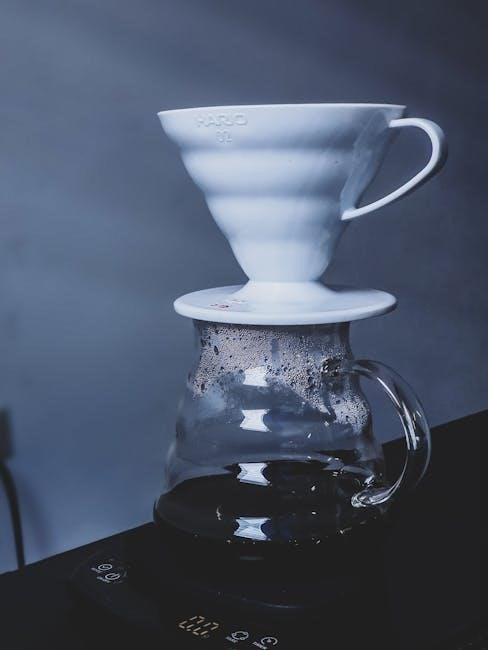
Understanding Your Coffee Maker’s Components
Instruction manuals detail each part – reservoir, brewing chamber, carafe – explaining their function and proper use for optimal performance and longevity․
Water Reservoir and Filtration
The instruction manual meticulously outlines the water reservoir’s capacity and filling guidelines, emphasizing the importance of using filtered water for superior coffee flavor and to prevent mineral buildup․
Many beautiful coffee makers incorporate built-in filtration systems or recommend specific filter types; the manual details replacement schedules and proper installation techniques․ Ignoring these recommendations can impact brewing quality and potentially damage the machine․
Understanding water hardness levels, as explained in the manual, allows for adjustments to descaling frequency, ensuring the longevity of your coffee maker and consistently delicious brews․
Brewing Chamber and Filter Basket
The instruction manual provides detailed diagrams and explanations of the brewing chamber and filter basket assembly, crucial for proper coffee ground placement and optimal extraction․
It specifies compatible filter types – paper, metal, or reusable – and highlights the importance of using the correct size to prevent overflow or grounds escaping into your coffee․
The manual also clarifies cleaning procedures for these components, emphasizing the removal of coffee oils and residue to maintain flavor purity and prevent clogging, ensuring consistently delicious coffee․
Carafe or Cup Platform
The instruction manual meticulously details the carafe or cup platform’s function, emphasizing its role in maintaining coffee temperature and preventing drips․ It clarifies weight limits for larger carafes, avoiding potential damage․
Specific guidance is provided on proper carafe placement, ensuring optimal brewing and preventing spills․ For models with warming plates, the manual outlines safe usage durations and potential risks of prolonged heating․
Cleaning instructions for the platform are also included, stressing the removal of any coffee residue to maintain hygiene and prevent flavor contamination, guaranteeing a pristine brewing experience․
Control Panel and Settings
The instruction manual serves as a comprehensive guide to navigating the control panel, deciphering each button and setting with clarity․ It details programmable features like auto-brew timers and adjustable brew strength, offering step-by-step instructions․
Understanding temperature control settings, if available, is crucial for optimal extraction; the manual explains how to customize these for different coffee types․ It also clarifies indicator lights and error messages, aiding troubleshooting․
Safety precautions regarding control panel operation are highlighted, ensuring users avoid accidental activation or incorrect settings, maximizing both convenience and safety․
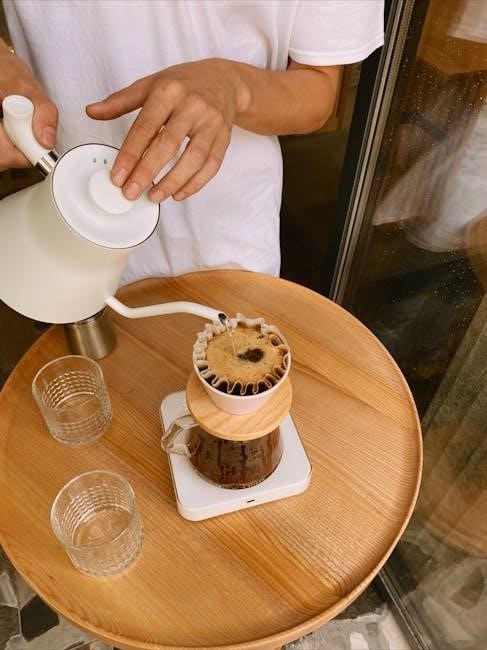
Setting Up Your Beautiful Coffee Maker
The instruction manual guides initial setup, emphasizing cleaning, water reservoir preparation, and proper filter placement for optimal performance and flavor․
Following these steps ensures a pristine brewing environment and safeguards the longevity of your beautiful coffee maker․
Initial Cleaning and Preparation
The instruction manual stresses a thorough initial cleaning cycle before first use․ This vital step removes manufacturing residues that could impact the coffee’s flavor profile․ Typically, this involves running several brewing cycles with only water – no coffee grounds!
Pay close attention to the manual’s specific recommendations regarding the number of cycles and whether any specific cleaning solutions are advised․ Rinse the carafe, filter basket, and any removable parts with warm, soapy water; Ensure all components are completely dry before assembly․ This meticulous preparation guarantees a pure, untainted coffee experience from the very beginning, protecting both the machine and your palate․
Water Quality and Usage
The instruction manual consistently emphasizes the critical role of water quality․ Hard water, containing high mineral content, can lead to scale buildup, diminishing performance and altering coffee taste․ Filtered water is strongly recommended – use a water filter pitcher or install a filter on your tap․
Always adhere to the manual’s guidelines regarding water level; overfilling can cause overflow, while insufficient water results in weak brew․ Regularly check the water reservoir for any signs of mineral deposits․ Following these recommendations ensures optimal brewing temperature and preserves the longevity of your beautiful coffee maker․
Grinding Your Coffee Beans (if applicable)
The instruction manual often details the importance of proper grind size, directly impacting extraction and flavor․ For filter machines, a medium grind is typically recommended, while espresso machines require a fine grind․ Burr grinders are preferred over blade grinders, as they produce a consistent particle size․
Freshly ground beans are crucial for optimal flavor․ The manual may specify a recommended coffee-to-water ratio․ Avoid pre-ground coffee, as it loses its aroma and flavor quickly․ Experiment with grind settings to achieve your desired coffee strength, always referencing the manual’s guidance for best results․
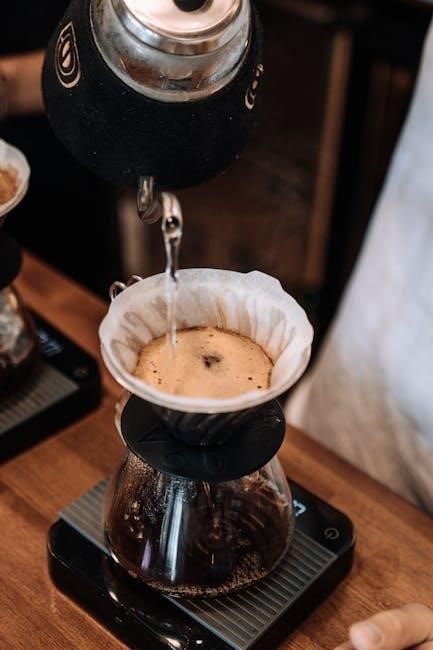
Brewing Your First Pot

The instruction manual guides initial brewing, emphasizing water levels, filter placement, and cycle initiation․ Following these steps ensures a perfect first pot, maximizing flavor․
Step-by-Step Brewing Instructions
Consult your coffee maker’s instruction manual for precise guidance, as models vary․ Generally, begin by filling the water reservoir with fresh, filtered water to the desired level, referencing the markings for pot size․
Next, insert a paper filter (or reusable filter) into the filter basket․ Add ground coffee, typically one to two tablespoons per six ounces of water, adjusting to your preference․ Ensure the carafe is securely placed on the warming plate․
Close the lid and press the power button․ Select your desired brewing mode, if applicable․ The machine will automatically heat the water and brew the coffee․ Once complete, enjoy!
Adjusting Coffee Strength and Volume
Refer to your coffee maker’s instruction manual for specific controls․ Coffee strength is typically adjusted by altering the coffee-to-water ratio; more grounds yield a bolder brew․ Some machines offer “strength” settings, controlling brewing time or water temperature․
Volume control is usually achieved by selecting the desired number of cups, indicated on the machine or carafe․ Ensure accurate water levels correspond to your chosen cup count․ Experiment with different ratios and settings to discover your ideal flavor profile․
Remember to note your adjustments for consistent results!
Maintenance and Cleaning
The instruction manual details essential cleaning routines; regular descaling and daily part washing prevent buildup and ensure optimal performance and longevity of your machine․
Daily Cleaning Procedures
Your coffee maker’s instruction manual is the primary guide for daily upkeep․ Immediately after each use, discard used coffee grounds and rinse the filter basket thoroughly with warm, soapy water․
The carafe or cup platform should also be washed to prevent residue buildup․ Wipe down the exterior of the machine with a damp cloth, paying attention to any spills or splatters․
For removable parts, confirm dishwasher safety in the manual before cleaning․ Consistent daily cleaning prevents staining, maintains flavor purity, and extends the lifespan of your beautiful coffee maker, ensuring years of enjoyable brewing․
Descaling Your Coffee Maker
Refer to your coffee maker’s instruction manual for specific descaling instructions, as procedures vary by model․ Descaling removes mineral buildup from hard water, crucial for optimal performance․ Typically, this involves running a descaling solution (often vinegar or a commercial descaler) through a brewing cycle․
Follow the manual’s recommended solution-to-water ratio and cycle count․ Afterwards, run several cycles with fresh water to thoroughly rinse away any remaining descaling agent․
Regular descaling—usually every 1-3 months—prevents clogs, ensures consistent water temperature, and preserves the flavor of your coffee, maintaining your machine’s beauty and functionality․
Troubleshooting Common Issues
Your instruction manual is the first resource for resolving problems․ Common issues include slow brewing, weak coffee, or the machine not turning on․ Check the power connection and water reservoir first․ For slow brewing, descaling (refer to the manual!) might be necessary to clear mineral buildup․
Weak coffee often indicates insufficient coffee grounds or a coarse grind․ Consult the manual for recommended ratios․ If the machine won’t turn on, check the circuit breaker․
Always unplug the machine before attempting any troubleshooting․ If issues persist, contact customer support, referencing your model number․

Advanced Features and Customization
The instruction manual unlocks advanced features like programmable timers and temperature control, allowing personalized brewing for optimal flavor and convenience․
Mastering these settings elevates your coffee experience, tailoring each cup to your precise preferences․
Programmable Timers and Auto-Brew
The instruction manual is your guide to harnessing the convenience of programmable timers and auto-brew features․ These functions allow you to schedule brewing in advance, waking up to the aroma of freshly brewed coffee․
Carefully follow the manual’s steps to set the desired brew time, ensuring accurate programming for consistent results․ It will detail how to adjust for different time zones or daylight saving time․ Understanding the auto-brew settings prevents accidental operation and ensures the machine is ready when you are․ The manual often includes troubleshooting tips for timer malfunctions, maximizing the usability of this valuable feature․
Properly utilizing these features streamlines your morning routine and delivers a perfect cup, effortlessly․
Temperature Control Settings
The instruction manual is essential for understanding and utilizing temperature control settings on your coffee maker․ Optimal brewing temperature significantly impacts flavor extraction; the manual details recommended settings for various coffee types․
It will explain how to adjust the temperature, whether through precise degree settings or pre-programmed levels․ Understanding these controls allows you to customize your brew, achieving the perfect balance of aroma and taste․ The manual also clarifies safety precautions related to hot water and surfaces․
Refer to it for troubleshooting if temperature inconsistencies arise, ensuring consistently delicious coffee․
Milk Frothing and Specialty Drinks
The instruction manual is your guide to mastering milk frothing and creating specialty coffee drinks with your beautiful machine․ It details the specific frothing wand or system, outlining proper techniques for achieving desired textures – from light and airy to dense and creamy․
The manual will explain cleaning procedures for frothing components, preventing residue buildup․ It also provides guidance on crafting lattes, cappuccinos, and other beverages, including recommended milk types and ratios․
Safety warnings regarding hot steam and proper handling are crucial; always consult the manual before attempting these features․

Safety Precautions
The instruction manual details critical safety guidelines, including electrical precautions, handling hot surfaces, and proper disposal of coffee grounds for safe operation․
Electrical Safety Guidelines
The instruction manual prominently features electrical safety guidelines to prevent hazards․ Always ensure the coffee maker is plugged into a grounded outlet matching the voltage specified on the appliance’s label․
Never operate the machine with a damaged cord or plug; immediately discontinue use and consult a qualified technician for repairs․ Avoid using extension cords, but if necessary, select one with an amperage rating equal to or exceeding the coffee maker’s requirements․
Keep the cord away from hot surfaces and never immerse the appliance, cord, or plug in water․ Unplug the coffee maker before cleaning or when not in use, and always allow it to cool completely before handling․
Handling Hot Surfaces
The instruction manual emphasizes caution when dealing with hot surfaces during and after brewing․ The carafe, warming plate, and certain internal components reach extremely high temperatures․
Always use the handle or designated cool-touch areas when handling the carafe, and avoid direct contact with hot metal parts․ Be mindful of escaping steam, which can cause burns; direct it away from your face and body․
Allow the coffee maker to cool down completely before cleaning or disassembling․ Never touch the brewing chamber immediately after use, and supervise children around the appliance to prevent accidental burns․
Proper Disposal of Used Coffee Grounds
The instruction manual details environmentally responsible disposal of used coffee grounds․ Avoid pouring them down the sink, as they can cause clogs in plumbing systems․ Instead, compost them for garden enrichment – a fantastic natural fertilizer!
Alternatively, dispose of grounds in the trash, ideally sealed in a biodegradable bag to minimize odor․ Some manuals suggest utilizing grounds as a natural abrasive cleaner for certain surfaces․
Never reuse coffee grounds for brewing, as they lack flavor and can harbor bacteria․ Proper disposal ensures a clean kitchen and contributes to sustainable practices․